
Did you know pelvic floor weakness is a hidden contributor to an increase in falls risk for many people, leading to injuries, social isolation and extended hospital stays?
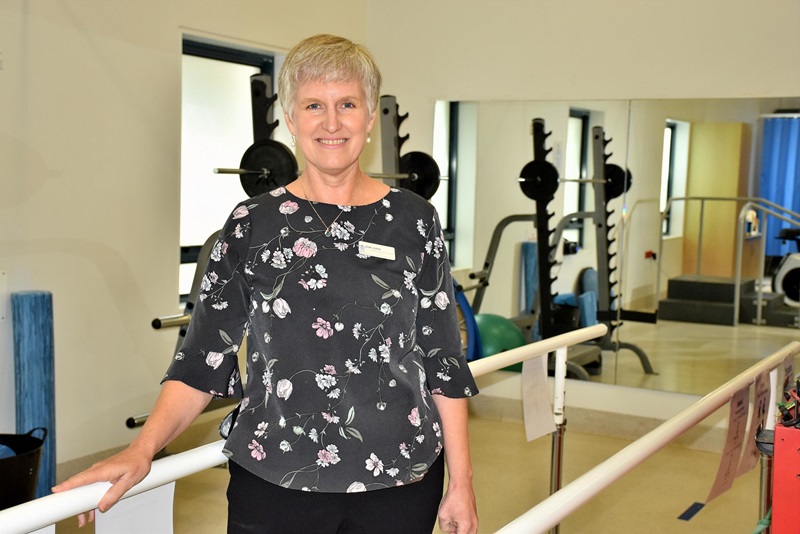
Dale Jones is a senior physiotherapist at Mackay Base Hospital who specialises in pelvic floor rehabilitation. She often treats people whose conditions were a factor which led to a traumatic fall.
“I work with both women and men experiencing urinary and faecal incontinence, and it is very common for bladder issues to significantly increase a person’s risk of falling,” she said.
“Many falls happen at home overnight, often when people are rushing to the toilet in the dark and already have mobility challenges.
“If you’re getting up frequently or feel urgent pressure to reach the bathroom quickly, that combination of darkness, rushing and reduced balance can really heighten your falls risk.
“Injuries happen, and for older people, fracturing their hip or wrist are most common.”
Falls injuries can dramatically change someone’s life, often limiting independence, confidence and the ability to keep doing the things they enjoy.
“Many older people who come to us requiring physiotherapy after a fall were living independently and managing everything on their own, so the sudden shift to a hospital stay can be a huge upheaval,” Dale said.
“The average hospital stay after a fall is around nine and a half days, and no one wants to be in hospital longer than they need to be. It’s an immediate and confronting change to daily life.
“A fall can really shake someone’s confidence. That fear makes it harder to get them moving again because they’re understandably nervous and scared about it happening again.”
Dale said pelvic health rehabilitation uses assessments by looking closely at bladder habits, pelvic floor strength and how well the bladder holds and releases urine, helping pinpoint what needs support.
“With bladder assessments we often start with how someone is going during the day and night because changes there can signal a real problem,” she said.
“Overnight, the bladder should naturally produce less urine so we can get the deep sleep our bodies need. Frequent night time trips can be a sign something isn’t working as it should.
“If the bladder isn’t stretching well or holding good volumes, that’s something we can identify and treat to reduce urgency and improve control.
“Strengthening the pelvic floor muscles is a major part of what we do, because when those muscles work well, people often feel less urgency, have fewer leaks and don’t need to rush to the toilet.”
Maintaining muscle strength as we age is key to injury prevention, with stronger core and leg muscles helping older adults stay steadier, safer and less vulnerable to falls.
“Our goal is to rebuild balance and strength so we can gradually get people confidently on their feet again," Dale said.
“Muscle strength starts to decline from our thirties and keeps slipping if we don’t actively work against it, but the good news is that muscles can get stronger at any age.
“Even at 100, loading and strengthening your muscles can improve balance and significantly reduce falls risk, proving it’s never too late to start building strength.”
Mackay Base Hospital’s Community Health and Therapy Services (CHATS) team has falls rehabilitation group classes that work with older adults to regain strength, balance and confidence.
“Our falls balance classes help people rebuild the strength and stability they had before their injury, giving them a structured block of time to steadily improve,” Dale said.
“We focus on simple, functional exercises like repeated sit to stands and everyday movements that load the muscles, build endurance and translate directly into safer mobility at home.”
“By practicing these tasks in a supported group setting, people grow stronger week by week and regain the confidence they need to return to their usual activities.”
“If we can build up confidence and strength, they can happily go out into the community again and be with friends and be with family, making a huge difference for people and quality of life.”
Mackay Hospital and Health Service is highlighting April No Falls month, an annual national campaign held throughout April to educate and raise awareness of falls prevention and help those at risk of falling to stay on their feet.