
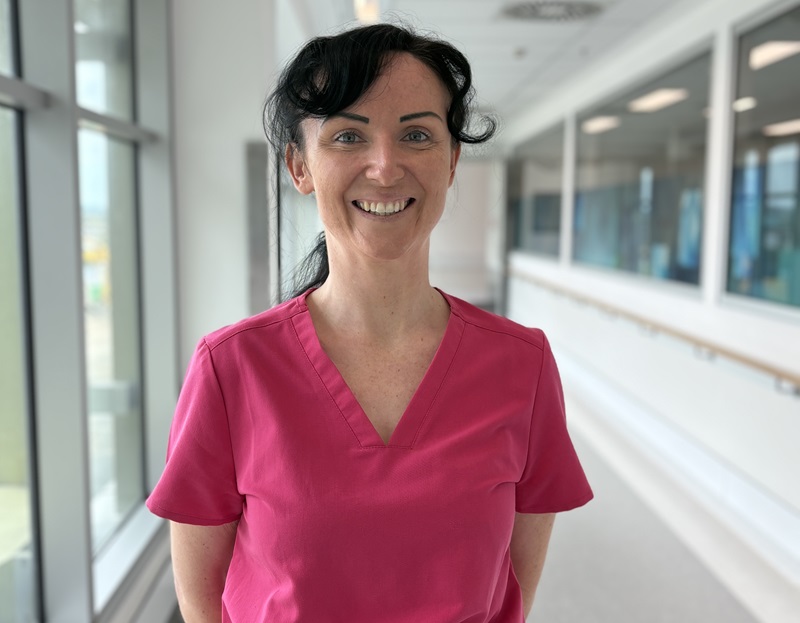
For Shona O’Neill, palliative care isn’t about endings; it’s about improving quality of life and helping patients focus not just on the time they have left but on how to make that time count.
As Mackay Hospital and Health Service (HHS) marks Palliative Care Week (11 to 17 May), Shona’s work as acting nurse navigator in the Specialist Palliative Care Service shines a light on the compassion, coordination and quiet impact behind the scenes of patient care.
In her role, Shona helps patients with life-limiting illness navigate their end-of-life journey feeling comfortable, informed and supported.
From coordinating care across multiple teams to supporting symptom management and providing emotional guidance, she is a steady presence for both patients and their families during some of life’s most challenging moments.
“No two days are the same,” Shona said.
“I might be attending outpatient appointments, visiting patients at home, or supporting them over the phone. A big part of what I do is making sure people feel connected — that they’re not facing this alone.”
Shona’s path into palliative care was shaped during her eight years working on a medical ward at Mackay Base Hospital, where she saw firsthand the difference early, well-coordinated care could make and where gaps still existed.
“That experience really stayed with me,” she said.
“I could see how much better things could be for patients and families with the right support in place, and I wanted to be part of that.”
Shona has been at Mackay HHS since 2016 and been part of the Specialist Palliative Care team since December 2024 and she is continuing to build on her expertise.
She holds a postgraduate certificate in oncology and is currently undertaking a Master of Nurse Practitioner in palliative care, with a focus on improving access to care, particularly in community and aged care settings.
At the heart of her work is a simple but powerful belief: palliative care is about quality of life.
“It’s not just about end-of-life care,” she said.
“It’s about helping people live as well as possible in the time they have — managing symptoms, supporting emotional needs, and helping people make informed choices about their care.”
This holistic approach is delivered through close collaboration with multi-disciplinary teams, GPs and community services, ensuring care is aligned with each patient’s wishes and needs.
While many might see palliative care as an emotionally challenging career but Shona sees it differently.
“It can be emotional, but it’s also a privilege,” she says. “You’re supporting people through one of the most significant times in their lives. There’s a lot of meaning in helping someone feel comfortable, informed and supported.”
That sense of purpose is what continues to drive her — along with the opportunity to make a tangible difference.
“I enjoy knowing that I can help ease the burden, even in a small way,” she says. “Whether it’s improving someone’s comfort or helping a family feel more supported, it really matters.”
Through her current studies, Shona is also working on a project to develop a nurse practitioner-led palliative care model aimed at improving access, strengthening advance care planning, and reducing avoidable hospital admissions — a reflection of her commitment to better outcomes beyond the bedside.
Her advice to others considering a career in palliative care is simple: “Be compassionate, stay curious, and learn how to really listen. Communication is everything in this field.”
Professionally and personally, the work has left a lasting impact.
“It’s taught me a lot about what truly matters to people, including relationships, comfort, dignity,” she says.
“It gives you a different perspective on life.”